- Home
- Platform 02 · Food & Foraging
- Durango Chef and Forager Finds Edible Plants Growing Along Local Trails
Durango Chef and Forager Finds Edible Plants Growing Along Local Trails
Catherine Grillos, a forager and chef based in Durango, Colorado, regularly collects wild plants growing along local trails and parks, turning them into dishes ranging from pesto to ice cream.
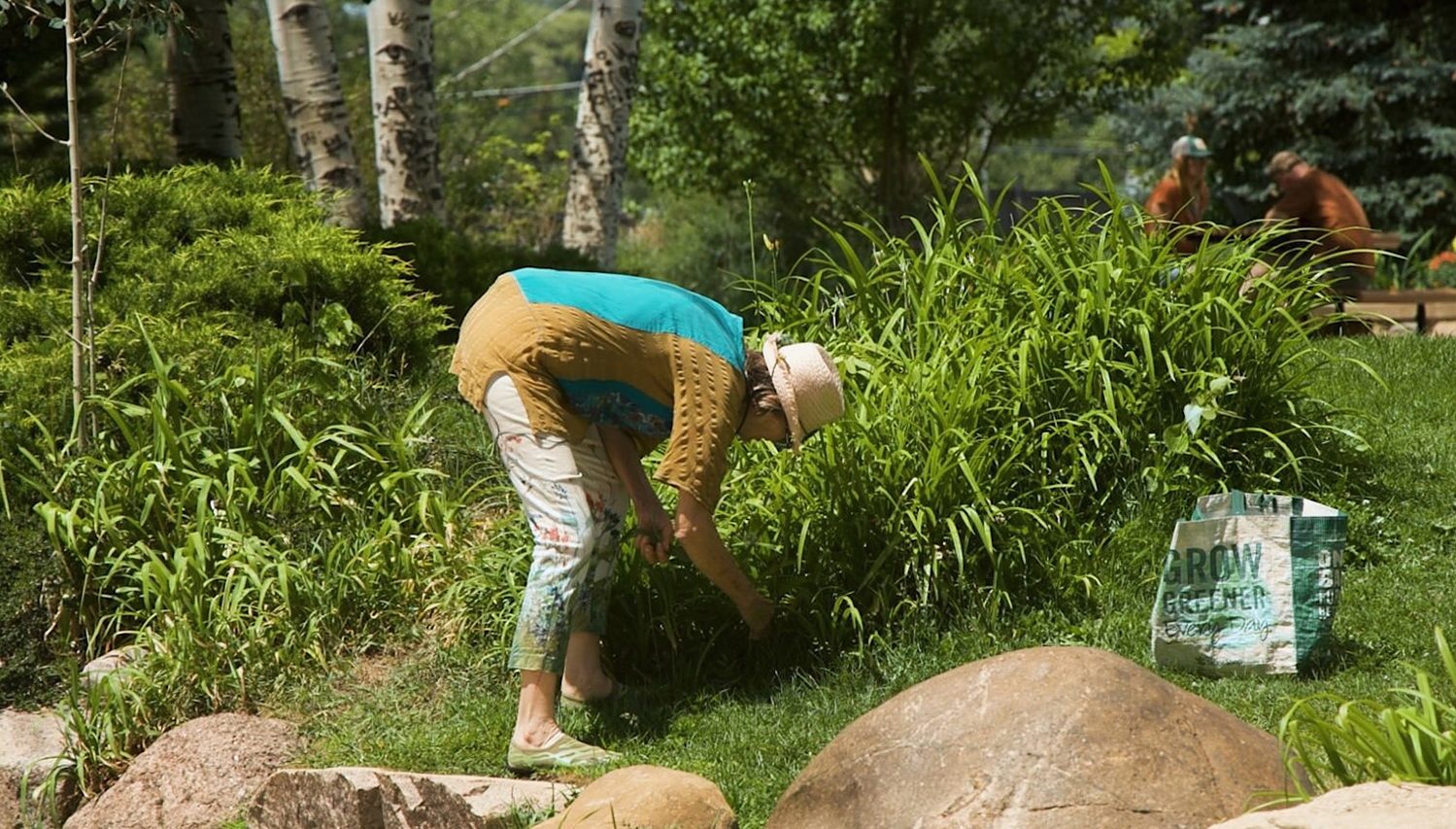
Walking along the Animas River Trail, Grillos spotted a green plant, crouched down and pulled several leaves from the ground. "Ha, there's burdock over here," she said. "These are going to make the best pesto."
Grillos collects plants from around Durango and uses them to make drinks, salads, crackers, ice cream and pesto. A 2018 field guide by self-sufficiency author Caleb Warnock lists 437 edible wild plants found across the Rocky Mountain West — including berries, roots, nuts, greens, flowers and seeds — covering eight states, among them Colorado and New Mexico.
At Rotary Park, Grillos identified plantain, clover and dandelions all growing within a few feet of each other. "Just where I'm sitting now, all this food is available," she said. "And it's free." The park is part of Durango's Organically Managed Parks Program, under which the city uses organic fertilizers and herbicides rather than synthetic chemicals.
A Lifelong Interest in Wild Plants
Grillos' connection to foraging dates to 1969, when she received Euell Gibbons' "Stalking the Wild Asparagus" as a gift for her 12th birthday. Growing up outside Chicago, she explored a greenbelt near her neighborhood, digging up cattails and experimenting with recipes from the book.
Foraging can start simply, she noted — for instance, by adding dandelion leaves to a salad. She also blends dandelion leaves with lemon to make a green drink and incorporates the plant into crackers and pesto.
Safety and Responsible Harvesting
Edible plants can look similar to toxic ones, and Colorado State University Extension advises against picking plants near busy roads, in areas that may have been treated with chemicals, or in spots heavily frequented by animals. Foragers are also encouraged to check local harvesting regulations and to only consume plants they can identify with certainty. "If I don't know what it is, I'm not going to take a chance on it," Grillos said. "Start simple. Pick the ones that you know for sure."
Grillos also cautioned against stripping an entire patch of plants. Leaving some behind allows regrowth and ensures that wildlife and other people can still benefit. "Always say thank you," she said. "Thank nature for providing, because that's where everything ultimately comes from."
| Time | Service | Plat |
|---|---|---|
| 09:00 | Urban Foraging Gains Ground as Food Prices and Safety Concerns GrowChristian Science Monitor - CSMonitor.com · 2026-09-10 | 02 |
| 02:38 | Ozarks Foraging Guides and Private Chefs Offering Unique Edible Plant Experiences417 Magazine · 2026-07-31 | 02 |
| 22:22 | Vermont Program Shows Residents How to Forage and Cook Wild FoodsWCAX · 2026-09-22 | 02 |
| 07:00 | Social Media and Local Clubs Are Bringing Foraging to New AudiencesAppalachian Voices · 2026-09-02 | 02 |
| 07:00 | Robin Greenfield Shares Foraging Safety Tips Ten Months Into Year-Long Food ChallengeWJLA · 2026-08-06 | 02 |