- Home
- Platform 03 · Nature & Ecology
- Biodiversity Credits Gain Integrity Through Culturally Significant Species Recognition
Biodiversity Credits Gain Integrity Through Culturally Significant Species Recognition
A body of recent research points to the recognition of culturally salient species as a pathway toward high-integrity biodiversity credits, drawing on multiple studies published between 2019 and 2026.
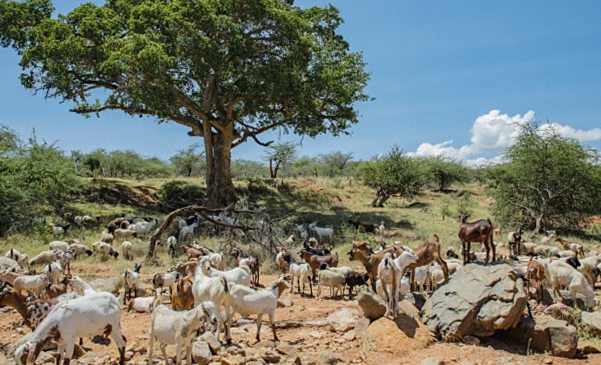
A cluster of peer-reviewed studies suggests that incorporating culturally meaningful species into biodiversity credit frameworks could improve their integrity. The research spans multiple disciplines and publications, including findings from Ecological Evolution, Conservation Biology, and One Earth, among others.
Work by Deutz and colleagues, published in 2020 through the Paulson Institute, The Nature Conservancy, and the Cornell Atkinson Center for Sustainability, examined financing approaches aimed at closing the global biodiversity financing gap. The World Economic Forum followed in 2023 with an analysis of biodiversity credit demand and market outlook.
A 2026 study by Ahammad, Sangha, Evans, and Metcalfe, appearing in Ecological Evolution, contributes to the evidence base, as does work by Wunder and co-authors published in Business Strategy and the Environment in 2025. O'Bryan and colleagues addressed related questions in Conservation Biology in 2021.
Indigenous and Cultural Dimensions
Manez and Clifton, writing in Oryx in 2025, and Dawson and colleagues, whose findings appeared in One Earth in 2024, both examined dimensions of biodiversity that touch on cultural and community contexts. Clark and co-authors contributed a 2021 study in Facets, while Garibaldi and Turner published foundational work in Ecology and Society in 2004.
Additional research by Artelle and colleagues, published in Biological Conservation in 2019, and by Lukawiecki, Moola, and Roth in Conservation Science and Practice in 2024, further informs the topic. Redvers and co-authors addressed connected themes in The Lancet Planetary Health in 2025, and Mattalia and colleagues published relevant findings in People and Nature the same year.
| Time | Service | Plat |
|---|---|---|
| 07:00 | Global butterfly ranges shifting dramatically in response to climate changeNature · 2026-08-05 | 03 |
| 07:00 | Satellite Data Underestimates Carbon Stored in Mature Forests WorldwideNature · 2026-07-31 | 03 |
| 07:00 | One in Ten Butterfly Species Has Shifted Range as Climate WarmsEurekAlert! Science News Releases · 2026-08-05 | 03 |
| 07:00 | Resource–Trait Coordination Under Multiple Global Change Factors Shapes Ecosystem StabilityNature · 2026-09-14 | 03 |
| 07:00 | Common Birds and Butterflies Forecast to Decline Across Europe Despite Conservation PoliciesNature · 2026-07-31 | 03 |